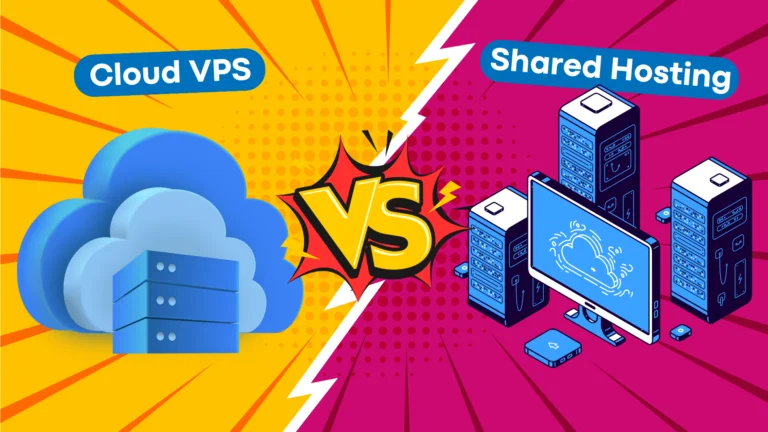
Choosing the right web hosting solution is one of the most important decisions when launching a website. Hosting affects everything from website speed and reliability to security, scalability, and overall user experience. With so many options available, many website owners find themselves comparing three of the most popular hosting types: Shared Hosting, Virtual Private Server (VPS) Hosting, and Cloud Hosting.
Each hosting solution has its own strengths, limitations, and ideal use cases. Selecting the wrong type of hosting can result in slow performance, unexpected downtime, or unnecessary expenses. On the other hand, choosing the right hosting environment can support business growth, improve website performance, and provide a better experience for visitors.
This guide explains the differences between Shared Hosting, VPS Hosting, and Cloud Hosting to help you determine which option best suits your needs.
Understanding Web Hosting Basics
Before comparing hosting types, it is important to understand what web hosting actually does.
Web hosting is a service that stores your website’s files, databases, and applications on servers connected to the internet. When visitors enter your domain name into a browser, the hosting server delivers the requested content.
The quality of your hosting directly affects:
- Website loading speed
- Uptime and reliability
- Security
- Scalability
- Resource availability
- User experience
As websites grow, hosting requirements often become more demanding, making it important to choose a solution that aligns with both current and future needs.
What Is Shared Hosting?
Shared Hosting is the most common and affordable hosting option available today.
With shared hosting, multiple websites are hosted on the same physical server. All users share the server’s resources, including CPU power, memory, storage, and bandwidth.
This arrangement helps keep costs low because the expenses of maintaining the server are divided among many customers.
Advantages of Shared Hosting
Affordable Pricing
Shared hosting is typically the least expensive hosting option, making it ideal for beginners and small website owners.
Easy Management
Most shared hosting plans include user-friendly control panels, one-click software installations, and automated maintenance features.
Suitable for Small Websites
Websites with modest traffic levels often perform well on shared hosting without requiring advanced server management.
Disadvantages of Shared Hosting
Limited Resources
Because resources are shared among many users, performance can suffer if another website on the server experiences high traffic or excessive resource usage.
Reduced Flexibility
Users have limited control over server configurations and software environments.
Scalability Limitations
As website traffic grows, shared hosting may struggle to provide consistent performance.
Best For
Shared hosting is generally suitable for:
- Personal blogs
- Small business websites
- Portfolio websites
- New websites with low traffic
- Informational websites
What Is VPS Hosting?
VPS stands for Virtual Private Server.
A VPS uses virtualization technology to divide a physical server into multiple isolated virtual environments. Each user receives dedicated resources while still sharing the underlying hardware with other customers.
Unlike shared hosting, a VPS operates more like an independent server.
Advantages of VPS Hosting
Dedicated Resources
Users receive allocated CPU, RAM, and storage resources that are not affected by neighboring accounts.
Better Performance
Because resources are isolated, websites generally experience faster and more stable performance.
Greater Control
VPS hosting often provides root access and advanced configuration options, allowing users to customize server settings.
Improved Security
The isolated environment reduces certain risks associated with shared hosting.
Disadvantages of VPS Hosting
Higher Costs
VPS hosting is more expensive than shared hosting due to the dedicated resources provided.
Technical Knowledge Required
Managing a VPS may require a greater understanding of server administration, especially for unmanaged plans.
Limited Physical Resources
Although more powerful than shared hosting, VPS resources are still constrained by the capacity of the underlying server.
Best For
VPS hosting is often ideal for:
- Growing businesses
- Medium-sized websites
- E-commerce stores
- Developers
- Websites with moderate traffic
What Is Cloud Hosting?
Cloud Hosting represents a more modern approach to website infrastructure.
Instead of relying on a single physical server, cloud hosting distributes resources across a network of interconnected servers. This allows websites to access computing power from multiple sources simultaneously.
Cloud environments are designed to provide flexibility, scalability, and high availability.
Advantages of Cloud Hosting
Exceptional Scalability
Cloud hosting can quickly adjust resources based on traffic demands. If visitor numbers increase suddenly, additional resources can be allocated automatically.
High Reliability
Because websites are supported by multiple servers, the failure of a single server rarely causes downtime.
Flexible Resource Allocation
Businesses can often pay only for the resources they use, making cloud hosting cost-efficient for variable workloads.
Excellent Performance
Distributed infrastructure helps maintain fast loading speeds and consistent website responsiveness.
Disadvantages of Cloud Hosting
Variable Costs
Pay-as-you-go pricing models can make costs less predictable compared to fixed hosting plans.
Complexity
Some cloud environments may require additional technical expertise to manage effectively.
Provider Dependence
Businesses may become dependent on specific cloud platforms and their pricing structures.
Best For
Cloud hosting is particularly suitable for:
- High-traffic websites
- SaaS applications
- Large e-commerce platforms
- Enterprise websites
- Rapidly growing businesses
Performance Comparison
When comparing hosting performance, cloud hosting generally offers the highest level of scalability and reliability.
While these ratings are generalized, they illustrate how cloud hosting typically provides greater flexibility and performance for demanding websites.
Security Considerations
Security requirements often influence hosting decisions.
Shared Hosting
Shared environments may present additional risks because multiple websites operate on the same server. While reputable providers implement security measures, resource sharing introduces potential vulnerabilities.
VPS Hosting
VPS environments offer greater isolation, improving security and reducing exposure to neighboring accounts.
Cloud Hosting
Cloud providers often integrate advanced security features such as automated monitoring, distributed firewalls, threat detection systems, and disaster recovery capabilities.
For businesses handling sensitive customer information, VPS and cloud hosting often provide stronger security foundations.
Cost Comparison
Budget remains one of the most important factors when selecting hosting.
Shared Hosting
- Lowest cost
- Predictable monthly fees
- Ideal for limited budgets
VPS Hosting
- Moderate cost
- Better performance-to-price ratio
- Suitable for growing websites
Cloud Hosting
- Flexible pricing
- Potentially higher costs during traffic spikes
- Excellent value for scalable applications
The cheapest solution is not always the most economical in the long term if performance limitations hinder growth.
Which Hosting Type Should You Choose?
The best hosting solution depends on your specific goals and website requirements.
Choose Shared Hosting if:
- You are launching a new website.
- Traffic levels are relatively low.
- Budget is the primary concern.
- Technical management should be minimal.
Choose VPS Hosting if:
- Your website is growing steadily.
- You need dedicated resources.
- Better performance is required.
- Custom server configurations are important.
Choose Cloud Hosting if:
- You expect fluctuating traffic.
- Scalability is a priority.
- High availability is essential.
- Your business relies heavily on website performance.
Conclusion
Shared Hosting, VPS Hosting, and Cloud Hosting each serve different types of website owners. Shared hosting offers affordability and simplicity, making it ideal for beginners and small websites. VPS hosting provides dedicated resources and greater control, making it suitable for growing businesses and moderate-traffic websites. Cloud hosting delivers exceptional scalability, reliability, and performance, making it the preferred choice for high-growth organizations and mission-critical applications.
When selecting a hosting solution, consider not only your current needs but also your future growth plans. Investing in the right hosting environment can improve website performance, enhance user experience, support SEO efforts, and provide a strong foundation for long-term online success.